

In celebration of International Women’s Day, we look back over the lives of some of the women who have lived and worked in Marylebone over the last 300 years.
Elizabeth Montagu (1718-1800)
Montagu House, Portman Square
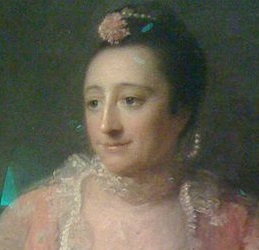
Elizabeth Montagu was a wealthy widow who commissioned a grand house on the new and fashionable estate of Marylebone in 1775. A society hostess, she also gathered around her a group of women who met to discuss literary and philosophical subjects known as the Bluestocking Society. Montagu House was completed in 1781 and the housewarming breakfast was attended by 700 people. Her dining-room doubled up as a theatre and she held an annual feast for chimneysweep boys on May Day in the extensive grounds of Montagu House.
Elizabeth Garrett Anderson (1836-1917)
20 Upper Berkeley Street, 1865-1875; 4 Upper Berkeley Street, 1875-1902
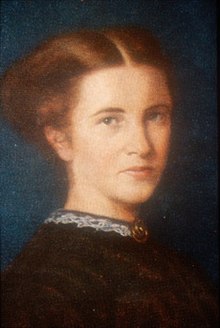
Elizabeth Garrett was the first woman to qualify as a physician and surgeon in Britain, opening her surgery at 20 Upper Berkeley Street in 1865. She co-founded the Kensington Society which worked for equal rights for women in politics, education and other areas of society. She remained committed to the cause of enfranchisement for women while developing her medical practise. She opened a dispensary for women and children at 69 Seymour Place, which in 1872 became the first hospital for women treating gynaecological conditions. In 1871 she married James George Skelton Anderson and in 1875 they moved into number 4 Upper Berkeley Street with their two small daughters. Aldeburgh had been Elizabeth’s childhood home and she retired there in 1902 and was elected mayor there in 1908, another first for women.
Emily Davies (1830-1921)
Montagu Mansions, 1907
Emily Davies studied medicine and came to London after the death of her father in 1862. She was a great advocate of improving women’s education, writing widely on the subject and in 1869 co-founded Girton College, the first women’s college of Cambridge University. A friend of Elizabeth Garrett from her teens she became a fellow founder of the Kensington Society and came to live in Montagu Mansions near Baker Street. In 1906 she was chairman of the Marylebone branch of the London Society of Women’s Suffrage and proactively supported the movement for votes for women.
Elizabeth, Countess of Home (1704-1784)
Home House, Portman Square
Known for her wild parties and disregard for social norms, Elizabeth Countess of Home sprang on to the London social scene after she moved into Home House in Portman Square in 1776, a house she commissioned Robert Adam to build for her. Nicknamed the “Queen of Hell” she was already in her seventies and twice widowed. Her considerable wealth came from her first husband and her Jamaican roots as she was a Creole, moving to England in 1733. A friend of the more notorious side of fashionable society which included the Duke of Cumberland and his wife, in death she was honoured by being buried in Westminster Abbey.
Madame (Marie) Tussaud (1761-1850)
Baker Street Bazar, 58 Baker Street
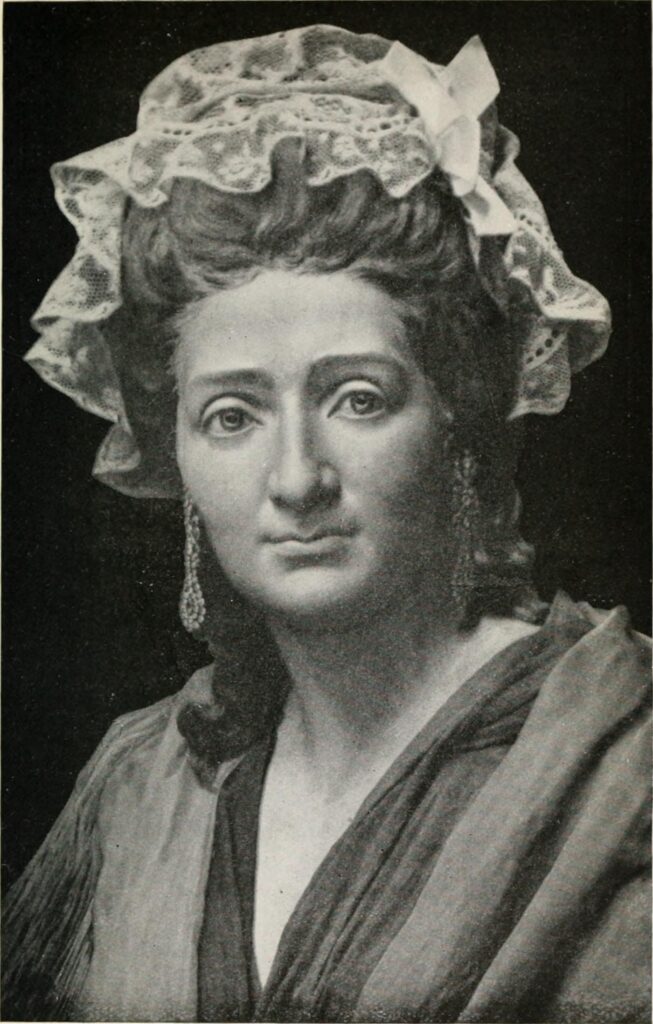
Madame Tussaud was born Marie Grosholtz in Strasbourg and learned the art of wax modelling from a physician for whom she worked from the age of 6. On his death she inherited his large collection of wax models and toured around Europe with them. On coming to London she took a lease on the upper floors of the Baker Street Bazaar on The Portman Estate in 1831. The Bazaar filled the space to the rear of what is now 58 Baker Street and was home to a variety of shops and spectacles. From the start one of Tussaud’s main attractions was her Chamber of Horrors which featured wax models of victims of the French Revolution. Not until 1883 did the exhibition move to its current location on Marylebone Road.
Mary Seacole (1805-1881)
40 Upper Berkeley Street; 157 George Street
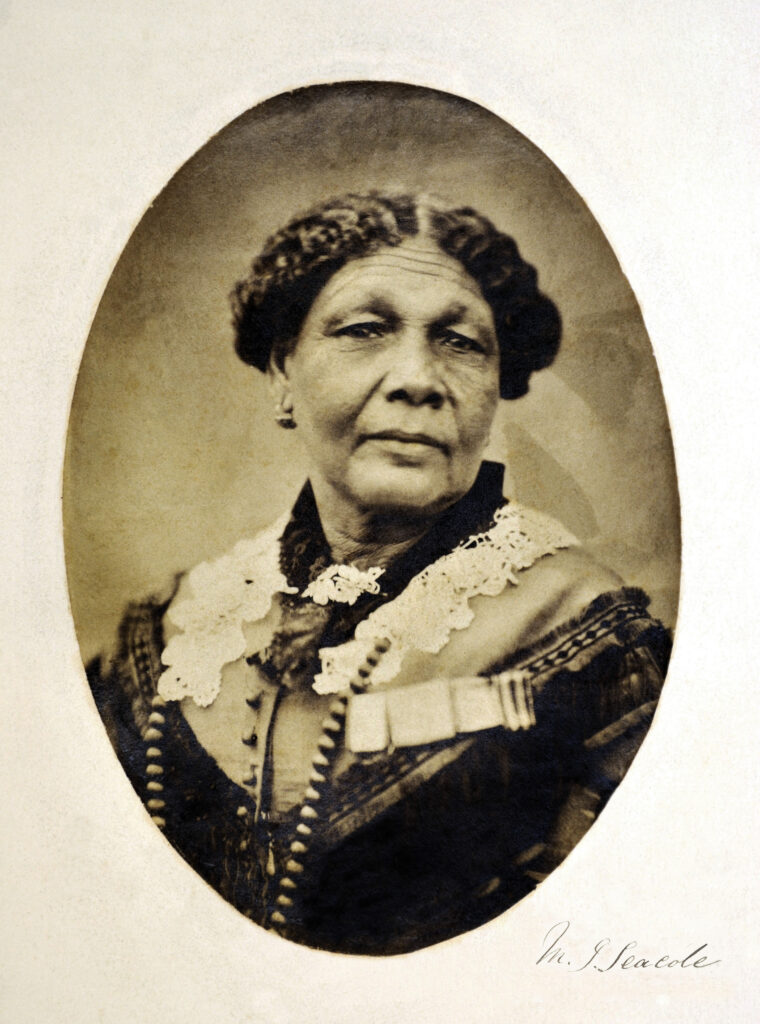
Mary Seacole was born in Jamaica where she learnt medicinal skills from her mother and ran a hotel in Kingston. She first came to London in 1821 but it was a brief visit and it was not until 1854 that she rose to prominence owing to her nursing work during the Crimean War. Although spurned by the British army authorities, she ran a boarding house called the British Hotel near Balaclava where she treated and helped many wounded soldiers. After the Crimean War was finished she returned to England where she was involved in several business and nursing ventures. After a spell in Jamaica she came to live at 40 Upper Berkeley Street on The Portman Estate and also lived in 157 George Street. By 1881 she had moved to Cambridge Gardens in Paddington where she died.
Sarah Siddons (1755-1831)
228 Baker Street (formerly 28 Upper Baker Street)
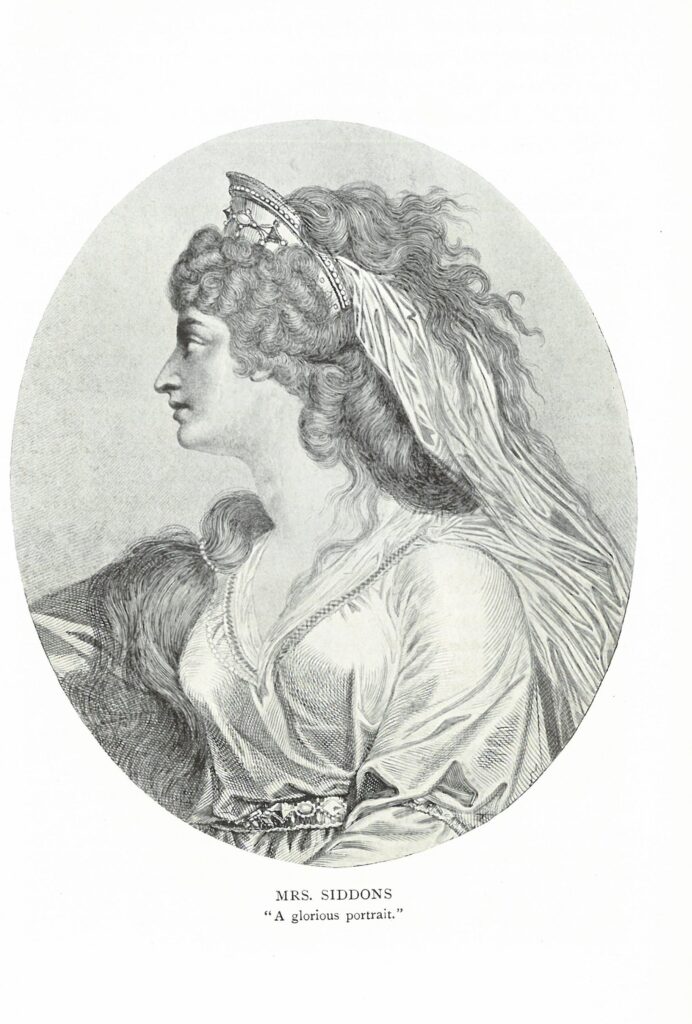
Born into a theatrical family, Sarah became the most celebrated actress of her day. Her career began shortly after her marriage in 1773, initially with touring companies before finally settling at David Garrick’s Drury Lane Theatre. Familiar with all Shakespeare’s female characters, her performance of Lady Macbeth was the role she was most remembered for. In 1817 she purchased a new house on Baker Street. In her home she received writers, painters, politicians and other celebrities; discussions, readings and food were the order of the day. She died at home in 1831 and at her funeral in nearby St Marys Cemetery more than 500 gathered to say farewell.
Jacqueline du Pre (1945-1987)
27 Upper Montagu Street
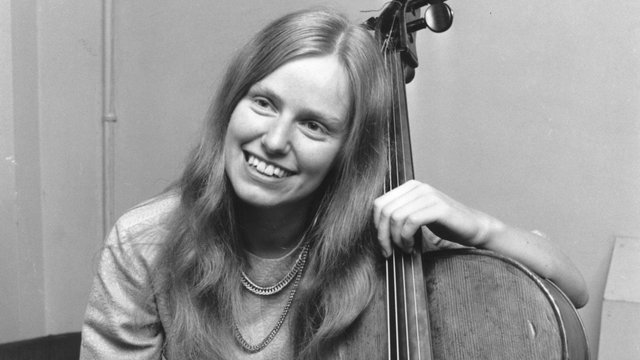
One of the most gifted cello players of the 20th century Jacqueline is best remembered for her rendition of Elgar’s cello concerto which she recorded in 1965 and remains a best seller. Her career took off in 1961 when she performed at Marylebone’s Wigmore Hall aged just 16. She travelled the world and married the conductor Daniel Barrenboin, moving into 27 Montagu Street in 1967. In 1971 she left as her marriage and health began to break down. She was later diagnosed with Multiple Sclerosis and died in 1987 aged just 42.
To find out more about some of the inspiring characters on the Estate today visit our website Portman Marylebone.
